Building the Future of Connectivity: Telcos Leading the Home Business
The home business is rapidly expanding, with projections estimating it could reach $500 billion by 2030. Telcos are transforming into integrated lifestyle brands, offering seamless, interconnected home solutions through convergence of connectivity, security, automation, entertainment, and health.
Research Team
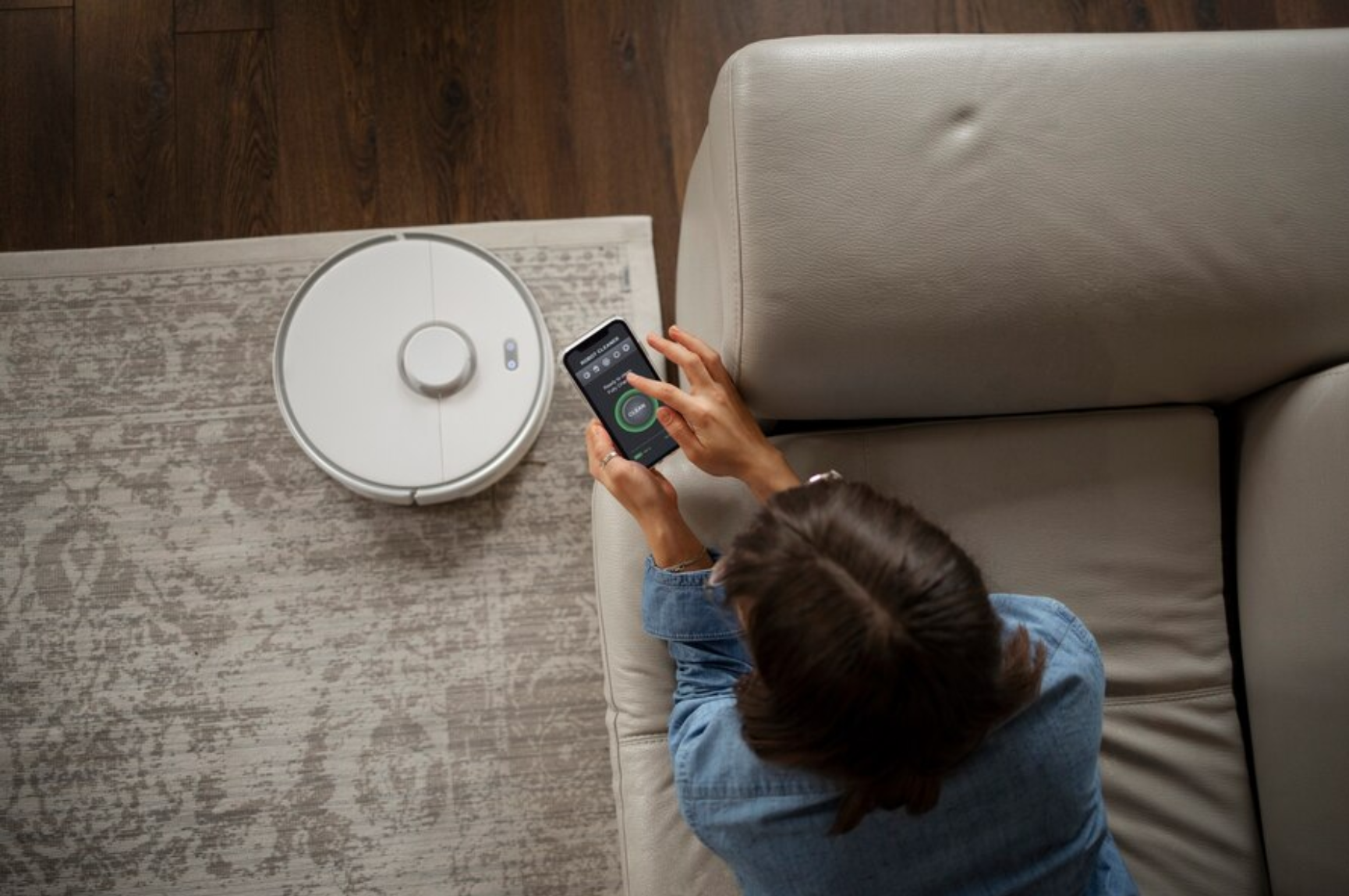
The telecommunications industry stands at the threshold of a $500 billion opportunity. By 2030, the home business will represent one of the largest revenue streams for forward-thinking telcos who successfully transition from connectivity providers to integrated lifestyle orchestrators.
The home business is rapidly expanding, with projections estimating it could reach $500 billion by 2030. Telcos are no longer limited to their traditional role as connectivity providers; instead, they have the potential to transform into integrated lifestyle brands, offering seamless, interconnected home solutions.
At the heart of this transformation lies convergence—bringing together connectivity, security, automation, entertainment, and health into a unified ecosystem. This shift enables telcos to expand their portfolios, deepen customer relationships, and boost ARPU & ARPA, positioning them at the forefront of the smart home revolution.
Survey Insights
We surveyed Heads of Home across operators to understand their challenges, key initiatives, and vision for the future of home business. Through these insights, we identified the top priorities shaping the evolution of smart home ecosystems in the telco industry.
Top 9 Strategic Priorities
Ecosystem Convergence
Integrating broadband, IoT, and smart home solutions to create a seamless, unified ecosystem.
Value-Added Services
Moving beyond basic connectivity to monetize smart home services through security, energy management, automation, and health solutions.
Revenue Expansion
Driving higher ARPU by broadening smart home product portfolios and creating bundled offerings.
Experience Excellence
Delivering superior smart home experiences through automation, convenience, and entertainment.
AI-Driven Personalization
Using AI-driven insights to offer hyper-personalized smart home services tailored to individual households.
Digital Transformation
Streamlining acquisition, onboarding, sales, and customer care with digital-first strategies.
Self-Service Enablement
Simplifying customer journeys with app-based purchases, self-installation, and digital support.
Security & Privacy
Strengthening consumer trust through enhanced data protection and cybersecurity measures.
Content Convergence
Bundling smart home solutions with premium content, gaming, and immersive media experiences.
The 5-Step Journey: From "Dumb Pipes" to "Smart Pipes"
Leading telcos are following a systematic transformation path, evolving their offerings from basic connectivity to comprehensive smart home ecosystems. Each step builds upon the previous, creating increasingly sophisticated and valuable customer relationships.
Laying the Connectivity Foundation
The first stage in the home journey is ensuring seamless connectivity. This means leveraging cutting-edge 5G, fiber optics, and advanced mesh networks to provide high-speed internet and low latency, which are critical for the functioning of devices across the home.
T-Mobile's advanced 5G and broadband mesh networks offer a great case in point. Their seamless network experience ensures smart home devices run smoothly, from connected lights to security cameras, creating a stable foundation for consumers.
Selling Utility, Not Just Connectivity
Telcos today are moving beyond basic connectivity by offering value-added digital services. For example, integrating Microsoft bundles with fibre plans enhances productivity at home. At the same time, security and family safety are a priority.
- Airtel India's XSafe Security Camera provides comprehensive home monitoring and peace of mind.
- T-Mobile's Parental Control solutions ensure safe digital experiences for children.
Moving Towards Convenience with Home Automation
Home automation is the next logical step for telcos. By offering a range of connected devices such as smart lights, thermostats, voice assistants, and sensors, telcos can create a fully automated home experience for their customers.
Leading Automation Platforms:
- Swisscom's Quing Home: Integrates building automation, security cameras, smart plugs, and energy management into a single unified platform.
- SK Telecom's Smart by SK: Combines IoT devices and AI-driven home assistants for personalized home automation in Korea.
The key is to integrate these devices into a unified, easy-to-use platform that allows consumers to control their home environment with a single app.
Entertainment and Enhanced Connected Experiences
With the rise of streaming services, gaming, and immersive experiences like AR/VR, telcos have an opportunity to create bundled offerings that combine high-speed broadband with entertainment platforms.
- SK Telecom partnered with Oculus Quest to provide VR content, gaming, virtual events, and interactive media seamlessly.
- Orange bundles high-speed connectivity with streaming services, smart TVs, and interactive content for personalized experiences.
By integrating these services, telcos transform their networks into platforms for entertainment and engagement, creating new value for customers.
Personalization and the Future of Digital Living
The future of home business is personalized. AI, data analytics, and machine learning will play key roles in understanding consumer behavior and tailoring the home experience to individual needs. Telcos can harness these technologies to offer personalized recommendations, automated routines, and proactive support, making the smart home more intuitive and responsive.
How Telcos Can Drive Growth in the Home Business
1. Expanding Convergence: ARPU to ARPA
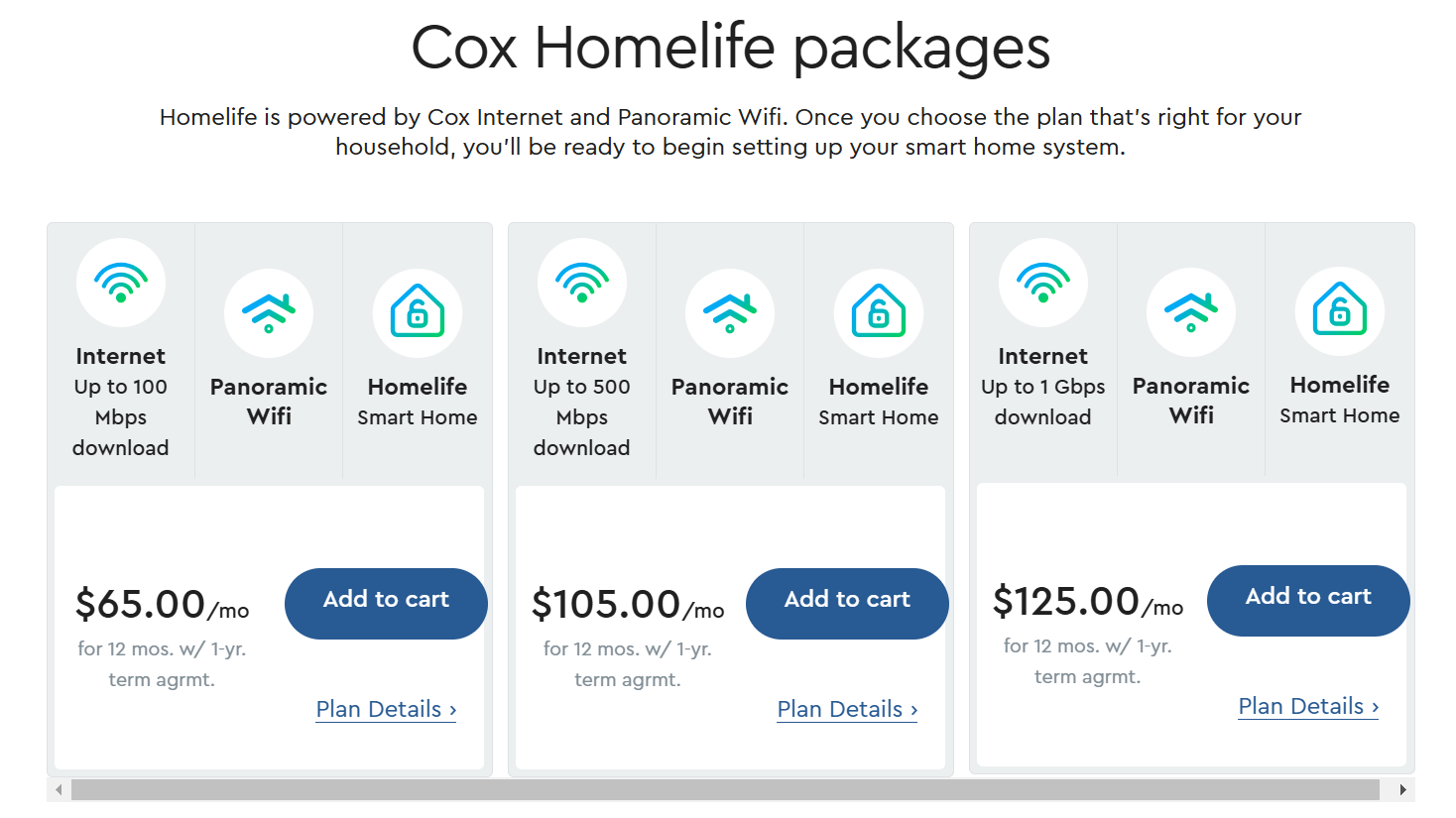
To truly succeed in the Home Business, telcos must embrace convergence and evolve from ARPU (average revenue per user) to ARPA (average revenue per account). By bundling products like home security, automation, entertainment, and health services into a single, flexible plan, telcos can increase customer spend and loyalty.
Cox Communications' Panoramic Wi-Fi offers seamless whole-home coverage with flexible plans tailored to modern households. It minimizes dead zones, supports multiple devices, and enhances smart home integration. Strategic benefits include improved customer satisfaction and expanded ecosystems, while its go-to-market strategy positions it as a reliable, future-ready connectivity solution.
2. Digitizing the Customer Journey
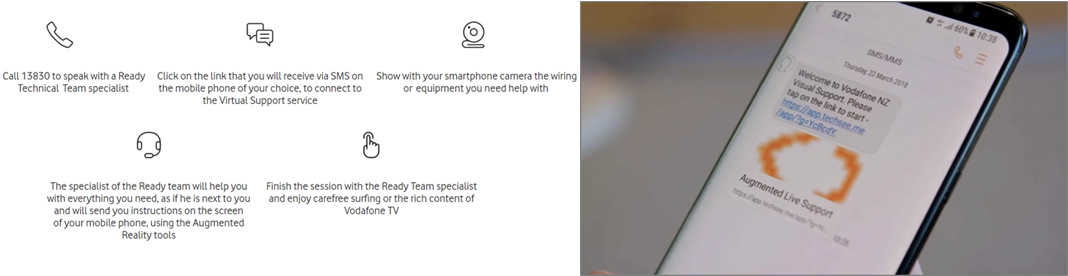
Operators are simplifying smart home adoption through app-based onboarding, self-service portals, and AI-powered support.
Vodafone Visual Support enhances customer experience by merging physical and digital support ("phygitally"), ensuring faster problem resolution and an improved service experience. This innovative service enables remote technical support by allowing specialists to visually guide customers via their smartphone cameras, reducing the need for technician dispatches by 26%. With a strong focus on customer satisfaction, this service has led to a 68% increase in satisfaction rates and a 4% improvement in first-call resolution (FCR).
3. Smart Home Automation for a Seamless Living Experience
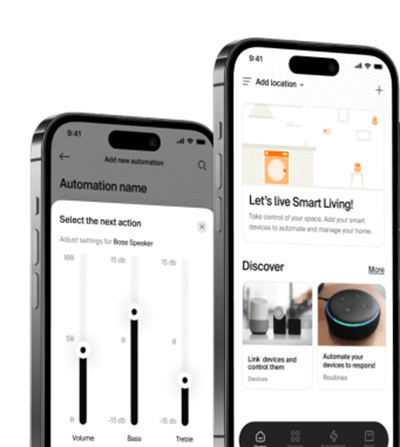
Smart home automation is transforming modern households by integrating IoT-powered solutions that enhance convenience, security, and energy efficiency. Telcos are leveraging automation to create intuitive ecosystems where devices communicate seamlessly, enabling users to control lighting, security, and appliances remotely.
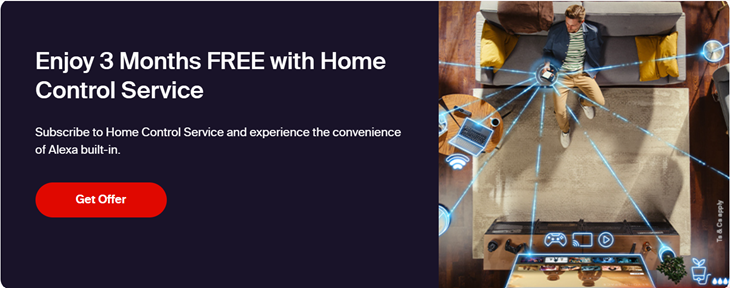
Etisalat's Smart Living Home Control provides a centralized ecosystem for managing home automation, offering seamless control over smart lights, thermostats, security cameras, and other connected devices. The platform integrates AI and data-driven automation, allowing users to operate their smart home through voice commands using a compatible eLife TV box with built-in Alexa, a dedicated mobile app, or the eLife TV dashboard. By enabling personalized automation routines and enhancing user convenience, Etisalat strengthens its role in delivering next-generation digital living experiences.
4. Selling Utility: Leveraging Smart Home Security to Drive Revenue
One of the most powerful ways telcos can boost revenue is by integrating smart home security systems into their service offerings. This sector is growing rapidly, and telcos are well-positioned to bundle security with broadband or mobile plans, offering consumers more comprehensive, all-in-one solutions.
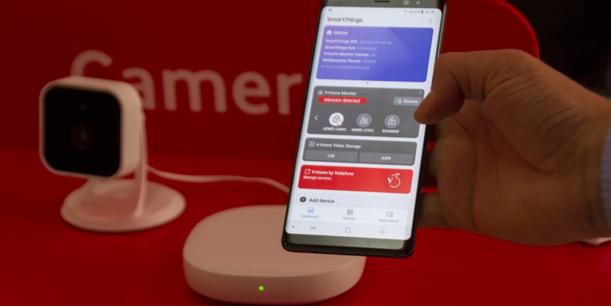
For example, Vodafone's V-HOME service, which bundles home security with internet and mobile services, has been instrumental in expanding the telco's smart home footprint, increasing customer engagement and adding consistent, recurring revenue streams.
5. Ensuring Digital Safety with Parental Controls
Parental control solutions are becoming a crucial component of smart home ecosystems, allowing telcos to offer added value beyond connectivity.
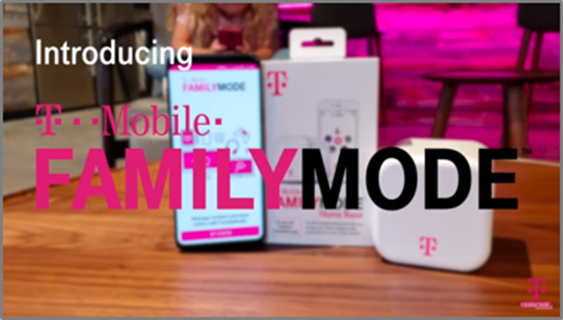
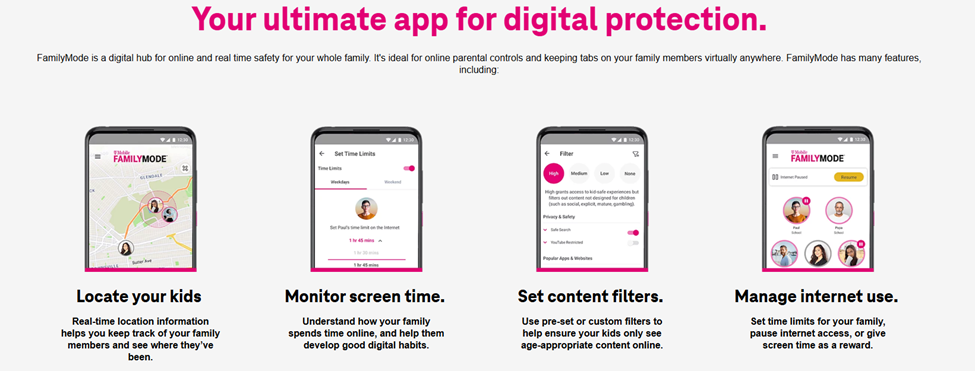
T-Mobile's FamilyMode is a prime example, providing parents with tools to monitor screen time, set content filters, manage internet access, and track real-time locations. This service enhances digital safety, ensuring children have a balanced and secure online experience. By integrating such solutions, telcos can boost customer engagement, strengthen brand loyalty, and increase ARPU while addressing the growing demand for digital well-being in smart homes.
6. Promoting Sustainability with Smart Solutions
Eco-friendly smart home solutions are becoming increasingly popular. Telcos can lead the charge by offering products like energy-efficient smart plugs and AI-based energy monitoring systems. Partnerships with renewable energy providers to offer green energy plans alongside smart home packages.
Orange France introduced its Homelive home automation system, designed to enhance home security and convenience. Powered by Z-Wave technology, it includes a base unit and sensors like smoke detectors, motion sensors, and door/window sensors, all of which can be managed remotely via a mobile app.
7. Innovating Entertainment Offerings
Telcos can capitalize on the growing demand for connected entertainment by bundling services like streaming platforms, gaming subscriptions, and immersive AR/VR experiences.
Zain Bahrain offers fiber gaming plans with high-speed connectivity, bundling gaming devices and 5G home broadband for a seamless, low-latency gaming experience. This creates a "Gamer's Paradise" and serves as an entry point into the smart home market, expanding the telco's role beyond traditional connectivity to include gaming and smart home services.

The Road Ahead: Telcos as Smart Home Ecosystem Orchestrators
The future of telcos in the smart home market is bright—but it requires a shift from simply providing connectivity to becoming ecosystem orchestrators. By integrating services, offering personalized solutions, and embracing the power of data and AI, telcos can create a connected, smarter, and more personalized home experience for their customers.
Ultimately, telcos that successfully navigate the smart home journey will find themselves positioned not only as connectivity providers but as key players in consumers' digital lives, fostering deeper relationships, increasing customer satisfaction, and driving consistent growth in ARPU.
What's your strategy to thrive in the home business? Let's connect and explore the possibilities!
For more info on Learning from Leaders in Beyond Connectivity: Guide to Best Practices in Home Business, please contact taylor@wirelessfederation.net
Want to Learn More?
Contact us to discuss how these insights can transform your home business strategy