Becoming a Platform-Led Telco in the eSIM Era

Amazon wants your customers. Airalo already has some. The aggregator threat in telecom is no longer a future scenario. Airalo operates across 200+ countries. Airlines like Jazeera Airways are launching their own eSIM products. Currency platforms like XE.com are cross-selling connectivity to 195+ countries. The disintermediation of the operator-customer relationship is already underway — and the players doing it don't own a single tower.
Research Team
The operators who recognise this shift early are already pulling ahead. eSIM has handed telcos a new weapon — one that can slash acquisition costs, eliminate churn, and open entirely new revenue streams across roaming, enterprise, and IoT — if they choose to use it.
Drawing from global best practices, the SHIFT framework, and 30+ operator case studies, our report highlights how operators are achieving 15% CAC reduction, 95% install success rates, 30% lower churn, and sub-3-minute onboarding.
To access the research, please reach out to taylor.c@wirelessfederation.net
The eSIM Acceleration Timeline
It took 35 years for the SIM card to go from a 1991 prototype to a global standard. eSIM is on track to surpass it in a fraction of that time.
Source: GSMA Intelligence
International Trips Enabled by Travel eSIM Pre-Arrival Purchase
Growth through disruptive pricing → sustained growth through partnerships → targeting roamers without connectivity.
% of international trips with pre-arrival travel eSIM purchase
Global eSIM / iSIM Smartphone Penetration by 2030
Adoption rising → hyper-growth → default tech.
% of global smartphone connections on eSIM / iSIM
The SHIFT Framework — Where eSIM Monetisation Actually Happens
Each pillar of the SHIFT framework comes to life through four real-world use cases — the specific ways operators are putting eSIM monetisation into practice today.
The Four eSIM Use Cases
The numbers behind each use case make the opportunity clear:
- Roaming & travel — Global travel eSIM market valued at $1.75 billion in 2026, with retail spending projected to grow 500% between 2023 and 2028.
- Digital-first MVNOs — MVNO market valued at $95.63 billion in 2026, growing at a 7.4% CAGR through 2034.
- Multi-device — Wearables forecast to grow at 26.76% CAGR through 2031 — fastest of any device category.
- IoT & new use cases — Connected cars projected to hold the largest device segment share at 23.87% in 2026.
How Telcos Are Fighting Back
Operators aren't sitting still while Airalo and platform players chip away at roaming revenue. Across markets, several have launched their own travel eSIM products — each with a distinct strategic angle.
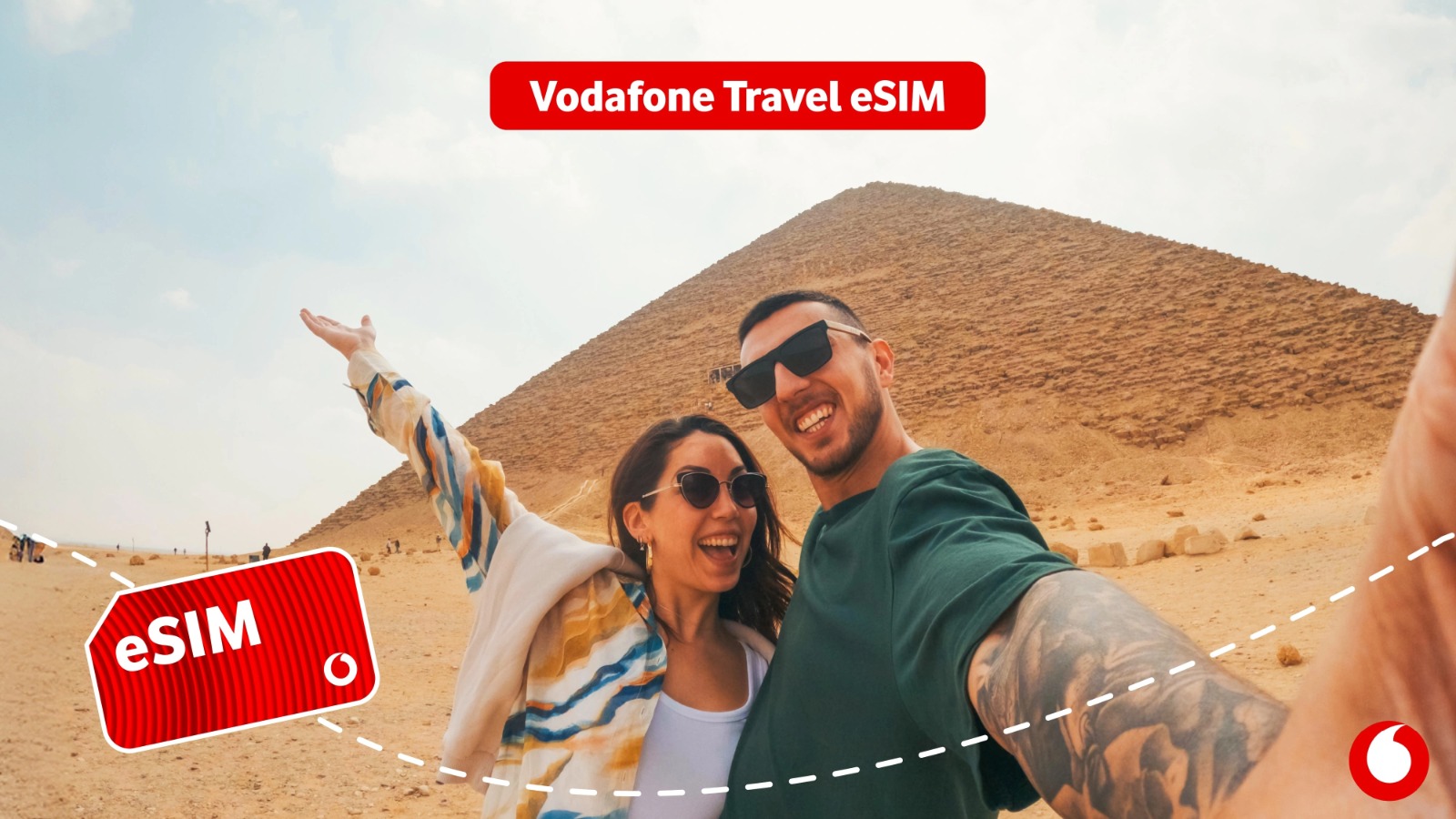
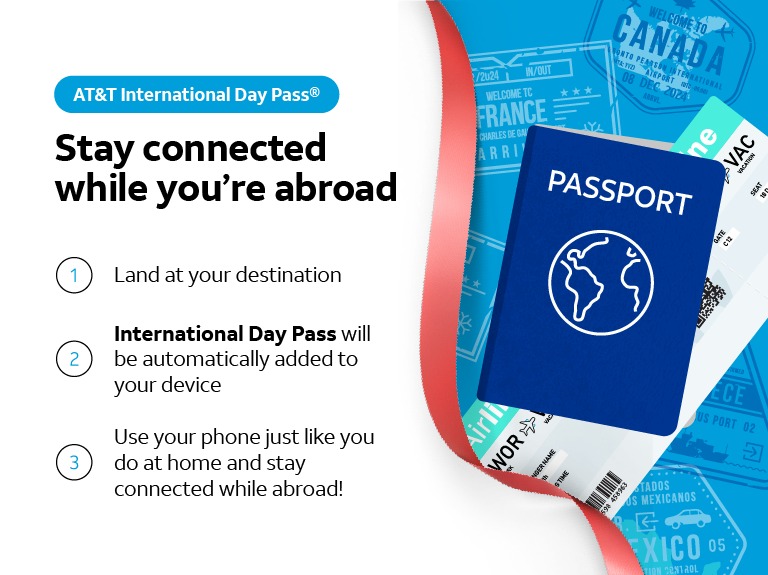
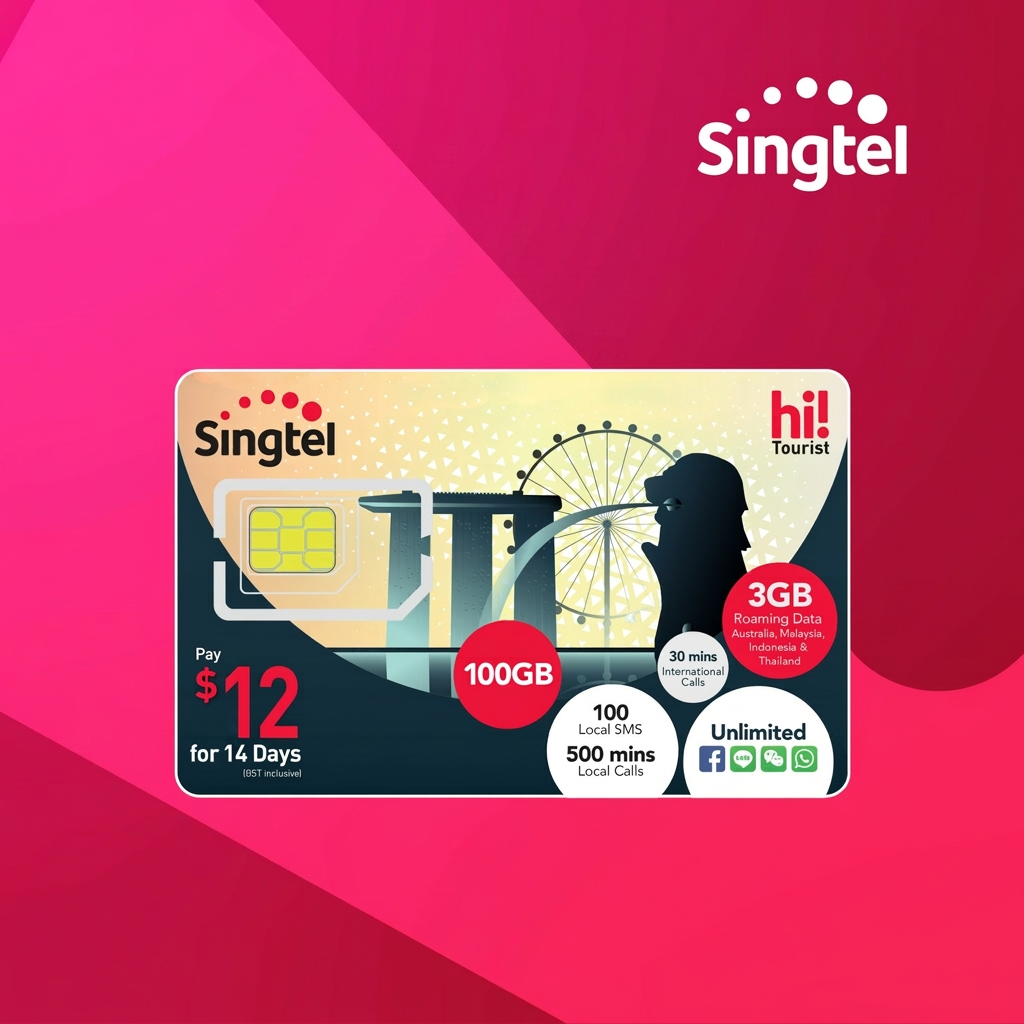

Different approaches, same goal: give travellers a reason to choose the operator over the aggregator.
Why "Good Enough" CX No Longer Works
A customer who can order from Amazon in seconds has little patience for multi-day SIM activation, mandatory store visits, or lengthy support interactions.
eSIM Raises the Bar
- Instant activation
- Automated payments
- Digital onboarding and eKYC
- Zero mandatory human touchpoints
Leaders Already Moving
- T-MobileFree eSIM trials driving acquisition
- OdidoSim Wallet enabling onboarding in under 3 minutes
- OoredooAI-powered eKYC streamlining identity verification
eSIM is no longer just a connectivity upgrade — it's becoming the foundation of frictionless, digital-first customer experiences.
The Hidden Revenue Sitting on Your Customer's Wrist
For decades, telcos thought about revenue one device at a time. eSIM has quietly broken that model — every additional device becomes a new, incremental revenue line on top of the original smartphone plan.
- Smartwatch — Verizon's Number Share charges $15/month plus taxes per wearable, turning a previously "free" companion device into a recurring revenue line.
- Tablet — Added through a shared data plan, extending the same allowance across a second screen.
- Laptop — Connected as its own device line, giving customers cellular without relying on Wi-Fi.
- Family devices — Singtel's Family Setup extends eSIM-powered connectivity across multiple family members under one account.
The eSIM Wearables Opportunity, By the Numbers
- • Over 50% of new smartwatches launched in 2024 already include eSIM capabilities
- • Wearables forecast to grow faster than any other eSIM device category through 2031
- • 41% of consumers already own a smartwatch — a connected device most telcos still aren't monetising
- • Global wearables market valued at ~$96 billion in 2025, growing at 12.3% annually through 2034
Where Connectivity Disappears Into the Experience
The next disruption isn't a telco competitor. It's connectivity becoming invisible — embedded so deeply into someone else's product that customers never think about who provides it.
- XE.com — A currency exchange brand now sells eSIM — live in the UK, Romania, Poland, and Germany — covering 195+ countries through a single profile.
- Jazeera Airways — The airline that is the telco. Connectivity bundled directly into the booking flow.
- Amazon Leo — Building a 3,000+ satellite constellation. In April 2026, Amazon acquired Globalstar and partnered with Apple to power satellite services on iPhone and Apple Watch, including Emergency SOS.
Amazon frames Leo as something that will "help mobile network operators extend voice, text, and data services... beyond the reach of terrestrial cellular networks."
Not a replacement. An insertion.
Conclusion
eSIM is no longer a connectivity innovation — it is a growth platform. The operators that use it to own the customer relationship, create new revenue streams, and deliver frictionless experiences will be best positioned to win in the next era of connectivity.